July 24, 2026
Paint protection film has become an important part of modern automotive care, especially for drivers who want to preserve the appearance and value of their vehicles. This clear protective layer helps defend exterior surfaces from minor scratches, road debris, bug splatter, bird droppings, and other everyday hazards. For car owners who take pride in a clean, glossy finish, it offers a practical way to reduce visible wear without changing the vehicle’s original look.
One of the most impressive qualities of modern film technology is its self-healing capability. When light scratches or swirl marks appear on the surface, heat from sunlight, warm water, or a controlled heat source can help the material return to a smoother condition. This feature makes paint protection film especially appealing to enthusiasts, daily commuters, and owners of luxury vehicles who want long-term protection with less frequent cosmetic maintenance.
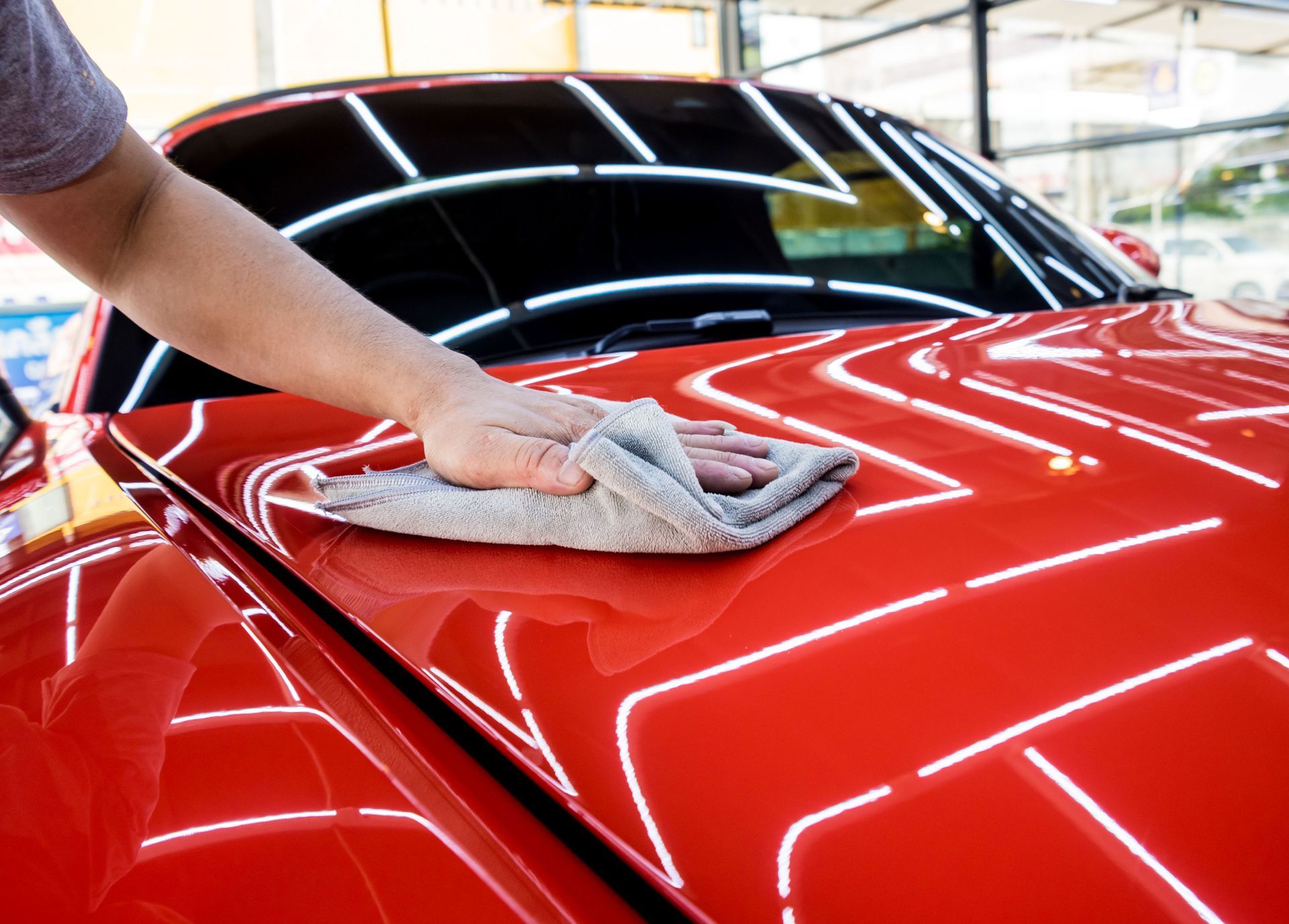
Beyond its protective purpose, this film also supports a polished appearance. It helps maintain color depth, gloss, and clarity while shielding painted surfaces from contaminants that may dull or stain the finish. As vehicles become more expensive to repair and refinish, protective materials have become a smart investment for owners who want to keep their cars looking newer for longer.
Understanding the Purpose of Protective Film
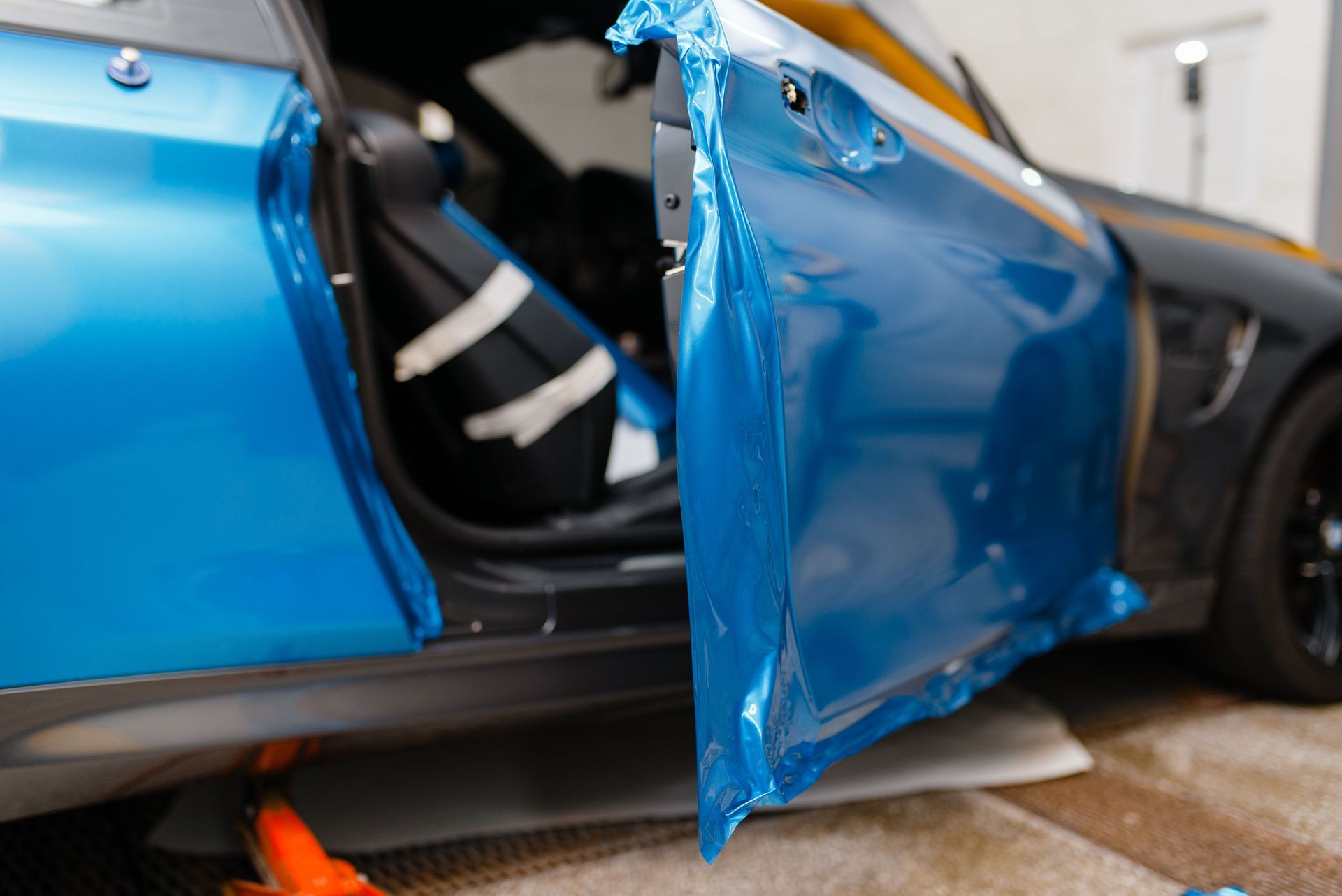
Paint protection is a transparent urethane material applied to painted automotive surfaces. It is commonly installed on high-impact areas such as the hood, front bumper, side mirrors, fenders, rocker panels, and door edges. These areas are more likely to encounter gravel, salt, sand, insects, and other debris during normal driving. By creating a durable barrier, the film absorbs much of the contact that would otherwise affect the paint.
The material is designed to be flexible, strong, and nearly invisible when installed correctly. Its layered structure usually includes a clear topcoat, a polyurethane base, and an adhesive backing. Each layer plays a role in performance, from resisting stains to helping the film bond securely to the vehicle. This balance of clarity and durability allows the vehicle’s original finish to remain visible while receiving added protection.
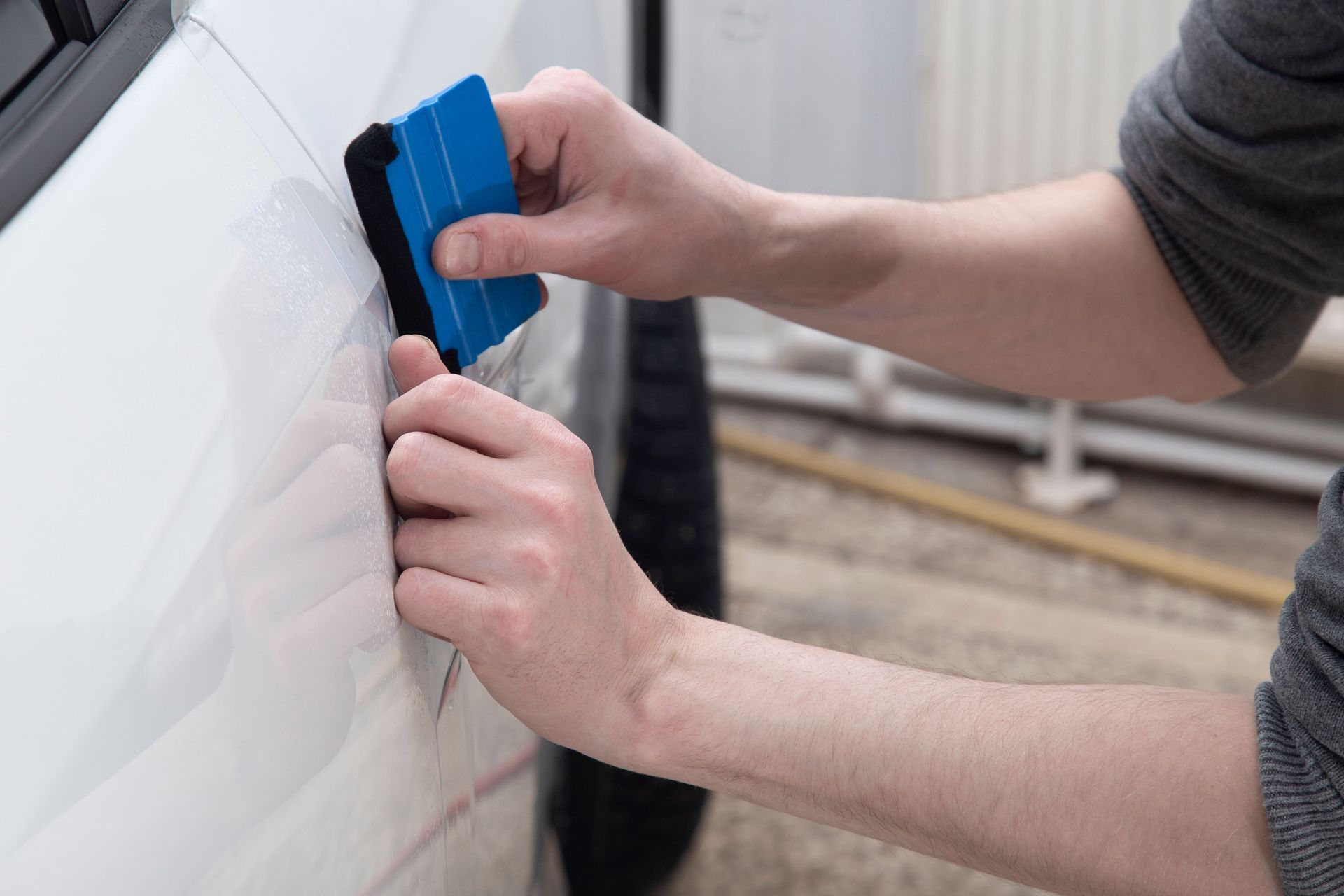
Professional installation is important because proper preparation and alignment affect both appearance and longevity. The surface must be cleaned thoroughly before application, and the film must be positioned carefully to avoid bubbles, wrinkles, or uneven edges. When installed by trained professionals, paint protection film can blend seamlessly with the vehicle’s design.
How Self-Healing Technology Works
The self-healing quality of modern protective film comes from advanced polymer technology. The top layer contains elastic properties that allow minor surface imperfections to level out when exposed to heat. Small scratches caused by washing, dust, or light contact may soften and disappear as the material relaxes back into its original form.
This process does not mean the film can repair deep gouges or severe impact damage. Instead, it is most effective for light surface marks that affect the topcoat rather than the full material thickness. For many drivers, this is still highly valuable because most visible wear comes from everyday washing, drying, and road exposure. Self-healing technology helps reduce the appearance of those common marks before they become distracting.
Temperature plays an important role in this process. According to ScienceDirect, most self-healing films require a temperature of at least 120°F (50°C) to trigger the healing process, which can be achieved through sun exposure or warm water. Warm sunlight can often activate recovery naturally, while warm water may help in cooler conditions. This makes paint protection film a responsive material that adapts to real-world use. Its ability to recover from minor blemishes helps maintain a cleaner, glossier appearance over time.
Benefits Beyond Scratch Resistance
While self-healing performance is a major advantage, the benefits extend further. Protective film can help reduce paint damage caused by UV rays, chemical contaminants, road salt, tree sap, and bird droppings. These substances may be difficult to remove and can leave marks if they remain on painted surfaces too long. The film creates a sacrificial layer that helps prevent direct contact with the factory finish.
Another benefit is long-term value preservation. A vehicle with fewer chips, stains, and scratches may be more attractive to future buyers or appraisers. This is especially important for newer cars, specialty vehicles, collector models, and luxury vehicles where exterior condition strongly influences perceived value. Paint protection film can help owners avoid some repainting or touch-up work, which may be costly and difficult to match perfectly.
The film can also make routine cleaning easier. Many products have hydrophobic properties, meaning water and dirt are less likely to cling to the surface. This can help the exterior stay cleaner between washes and reduce the effort needed to maintain a sharp finish. For busy drivers, that convenience adds to the overall appeal.
Common Areas for Application
Many vehicle owners choose partial coverage for the most vulnerable areas. The front bumper, hood, mirrors, headlights, and fenders are popular choices because they receive direct exposure to road debris. This option provides strong protection where it is needed most while keeping the project more budget-friendly.
Others prefer full-body coverage for maximum defense. This approach is common among owners of exotic cars, performance vehicles, show cars, and daily drivers exposed to heavy road conditions. Full coverage helps create a consistent protective barrier across the entire exterior, including doors, quarter panels, and rear bumpers.
Door cups, door edges, trunk ledges, and rocker panels are also useful application areas. These spots often experience scratches from fingernails, shoes, luggage, and daily contact. Adding film to these smaller sections can prevent common wear patterns that gradually make a vehicle look older.
Comparing Film to Other Protection Options
Wax, sealants, ceramic coatings, and protective film all serve different purposes. Wax and sealants can improve shine and add temporary protection, but they wear away faster and do not provide meaningful impact resistance. Ceramic coatings offer excellent gloss, chemical resistance, and easier cleaning, but they are not designed to stop rock chips.
Paint protection film provides a thicker physical barrier than coatings or waxes. It is best suited for impact resistance and surface protection, while coatings are often chosen for slickness and ease of maintenance. Some owners combine both solutions by applying film first and then adding a ceramic coating over it. This layered approach can improve durability, gloss, and cleaning performance.
The best option depends on the owner’s driving habits, budget, vehicle type, and expectations. Someone who drives frequently on highways or gravel roads may benefit more from film coverage, while someone focused mainly on shine may prioritize coating. For many vehicles, paint protection film offers the strongest defense against daily exterior damage.
Maintenance and Care Tips
Proper care helps the film perform well for years. Owners should wash the vehicle regularly with gentle automotive soap and soft wash mitts. Harsh brushes, abrasive compounds, and aggressive pressure washing near film edges should be avoided because they may weaken the bond or damage the surface.
Contaminants such as bird droppings, bug residue, and tree sap should be removed promptly. Although the film adds protection, leaving harsh substances on the surface for long periods can still affect appearance. Regular cleaning helps maintain clarity and prevents buildup along seams or edges.
It is also important to follow installer recommendations after application. Many professionals advise waiting before washing the vehicle so the adhesive can settle fully. With the right care routine, paint protection film can remain clear, glossy, and effective while supporting the vehicle’s original finish.
Paint protection services represent a blend of science, design, and practical vehicle care. Its ability to defend against everyday hazards while maintaining a polished appearance makes it one of the most effective exterior protection options available. For drivers who value appearance, longevity, and peace of mind, self-healing film offers a smart way to keep vehicles looking their best. Contact OC Paint Protection today and learn more about our paint protection services.