September 4, 2026
Your vehicle's paint is exposed to many conditions every time you drive it. Road debris, dirt, weather, sunlight, and everyday contact can gradually affect the appearance of the exterior. Paint protection film provides a physical layer between the vehicle's painted surface and many of these common sources of damage. This article explains how PPF works, what it can help protect against, how it supports the appearance of a vehicle, and why professional installation matters.
Reducing Common Surface Damage
Road debris is one of the most common concerns for drivers who want to keep their vehicle looking newer. Small rocks and other particles can be thrown from tires or surrounding traffic, creating sudden impacts against painted surfaces. Areas such as the front bumper, hood, fenders, and side mirrors can receive frequent exposure. Paint protection film helps absorb and distribute some of the force from these minor impacts. Rather than allowing every small piece of debris to contact the painted surface directly, the film acts as a protective layer. This can reduce the likelihood of small chips and surface marks developing over time. The protection is especially useful for vehicles that spend a lot of time on highways or roads where loose gravel and other debris are common. Frequent driving naturally increases exposure, making a physical barrier useful for maintaining the condition of vulnerable painted areas.
Limiting Everyday Scratches
Not every mark on a vehicle comes from a major impact. Everyday contact can also affect the finish. Dust, road particles, branches, bags, and other objects can create small scratches when they come into contact with the exterior. A protective film provides another surface for these minor contacts to affect. Depending on the type of film and the damage involved, some light marks may be less noticeable or may not reach the vehicle's original paint. This can be helpful for drivers who want to maintain a clean, consistent exterior over the long term. Keeping the original paint in good condition can also make the vehicle easier to maintain visually as it ages.
Protecting Against Environmental Exposure
Vehicles are exposed to more than road debris. Sunlight, rain, dirt, insects, bird droppings, tree sap, and other environmental elements can affect exterior surfaces. Repeated exposure can leave stains or contribute to gradual changes in the appearance of the paint. A protective layer can reduce direct contact between these substances and the vehicle's painted surface. This gives the underlying paint another level of separation from the surrounding environment. Sun exposure is another important consideration. Ultraviolet radiation can contribute to fading and changes in the appearance of automotive finishes over extended periods. PPF can help limit some of this exposure in covered areas, helping the original finish maintain a more consistent appearance.
Maintaining a Cleaner Appearance
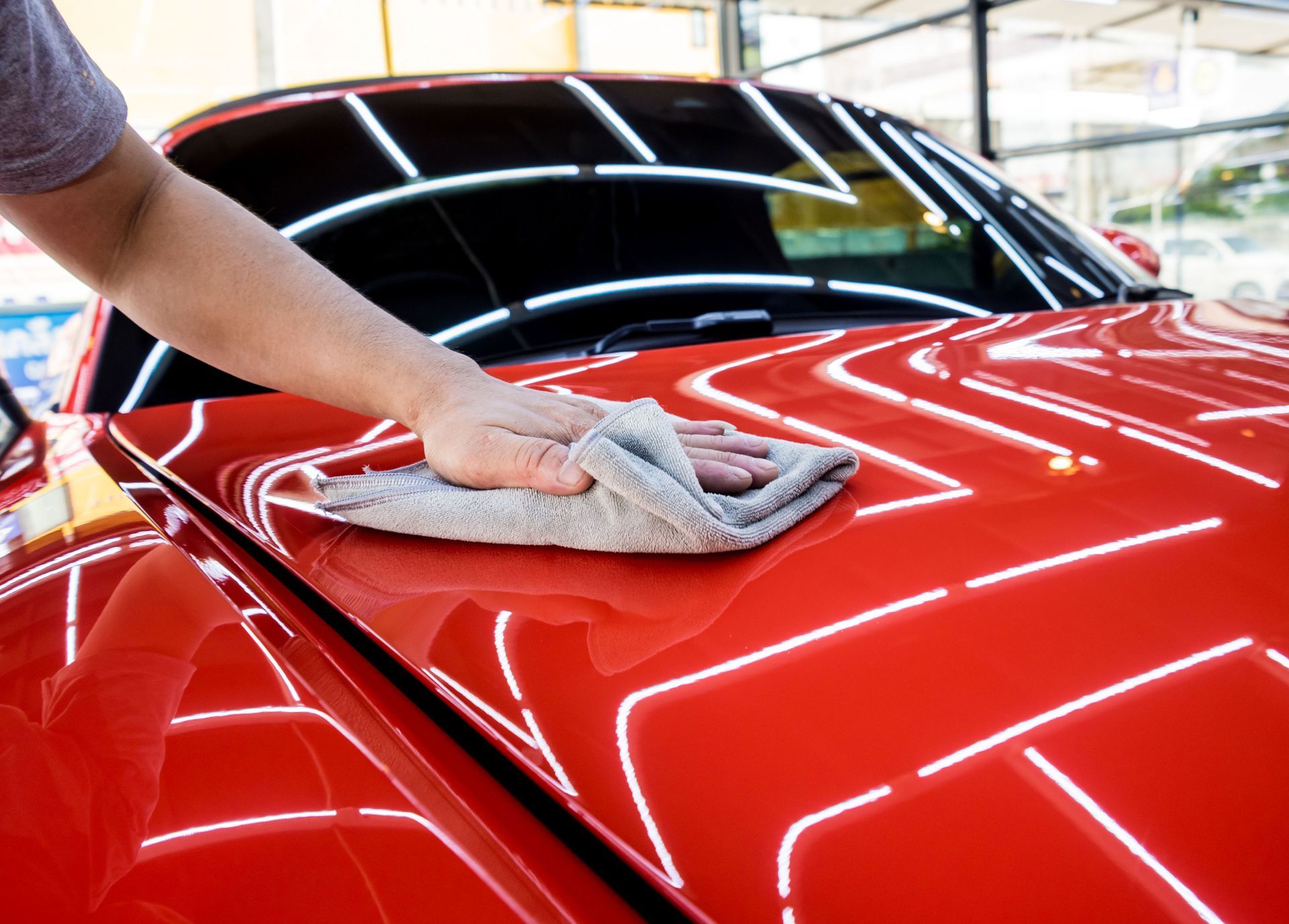
Keeping a vehicle's exterior looking clean involves more than removing visible dirt. The condition of the underlying paint also affects how smooth and consistent the surface appears. Small chips, scratches, stains, and other imperfections can become more noticeable as a vehicle gets older. PPF can help maintain the visual condition of covered areas by creating a barrier against many common contaminants and sources of minor damage. A well-maintained exterior can look cleaner between washes and retain more of its original appearance. According to ResearchGate, a standard untreated car surface has a water contact angle of about 60 to 70 degrees, while a high-quality ceramic coating increases this to 110 to 120 degrees, which is what creates the "super-hydrophobic" effect where water rolls off effortlessly. Water behavior on a vehicle's surface can affect how moisture and contaminants interact with the exterior. While PPF and ceramic coatings serve different purposes, surface characteristics can play an important role in how easy a vehicle is to maintain.
Preserving the Original Finish
A vehicle's factory paint is part of its overall appearance and value. Once the original finish has been chipped, scratched, or otherwise damaged, correcting the issue may require additional work. Protecting the paint before damage occurs can help reduce the need for future cosmetic attention. Paint protection film works by placing a sacrificial layer over selected painted surfaces. The film receives much of the everyday exposure while the original finish remains underneath. This approach can be useful for newer vehicles as well as older vehicles with paint that is still in good condition. The areas selected for coverage can also affect the overall results. High-impact sections generally receive more exposure than protected or less frequently contacted surfaces. The front bumper, hood, fenders, and side mirrors can face frequent contact with road debris, making them common areas for consideration. A professional assessment can help determine which areas may benefit most from protective coverage. Taking the vehicle's typical driving conditions into account can also help create a practical approach to protecting the exterior.
Supporting Long-Term Vehicle Maintenance
Protecting a vehicle's exterior is part of broader maintenance. Regular cleaning, proper care, and attention to environmental exposure can all contribute to keeping the finish in good condition. Adding a protective layer can complement these habits by providing another barrier against everyday hazards. Paint protection film can be particularly useful for people who plan to keep their vehicles for several years. The longer a vehicle remains on the road, the more opportunities there are for debris, weather, and daily driving to affect its exterior. Highway driving, construction areas, gravel roads, and heavy traffic can all increase exposure to potential sources of surface damage. A protective layer can help limit some of this repeated contact and support the vehicle's appearance over time. The condition of the paint can also matter when a vehicle is eventually sold or traded. A well-maintained exterior may make a stronger visual impression than one with extensive chips and scratches. While no protective method can guarantee a specific resale outcome, preserving the original appearance can be a practical part of long-term vehicle care. Maintaining the exterior can also make routine cleaning and visual upkeep easier to manage.
Reducing Everyday Surface Wear
Daily driving exposes vehicles to many small hazards that can gradually affect their appearance. Loose gravel, road particles, dirt, insects, and other debris can strike or settle on painted surfaces. While one encounter may not cause noticeable damage, repeated exposure can contribute to chips, scratches, stains, and general wear. A protective layer creates separation between these hazards and the vehicle's original paint. This can help reduce the direct impact of minor road debris and other sources of surface wear. Drivers who regularly travel on highways or roads with loose materials may find this type of protection especially useful.
Managing Environmental Exposure
Weather and environmental conditions can also affect automotive paint. Strong sunlight, rain, tree sap, bird droppings, insects, and road contaminants can come into contact with the exterior during normal use. If certain substances remain on the surface for extended periods, they may become more difficult to remove or leave visible marks. Protective material can provide another barrier between these contaminants and the painted surface. This does not remove the need for regular cleaning, but it can support an overall exterior maintenance routine. Seeking professional guidance can help determine how protective coverage may fit the vehicle's specific condition and daily use.
Preserving Your Vehicle's Appearance
A vehicle encounters countless small hazards during its time on the road. While individual impacts may seem minor, their effects can become more noticeable after months or years of driving. A protective film gives the painted surface an added barrier against many of these everyday conditions. The value of PPF comes from its ability to protect the original finish while keeping the vehicle's appearance largely unchanged. It can help reduce exposure to road debris, minor scratches, environmental contaminants, and other common sources of surface wear.
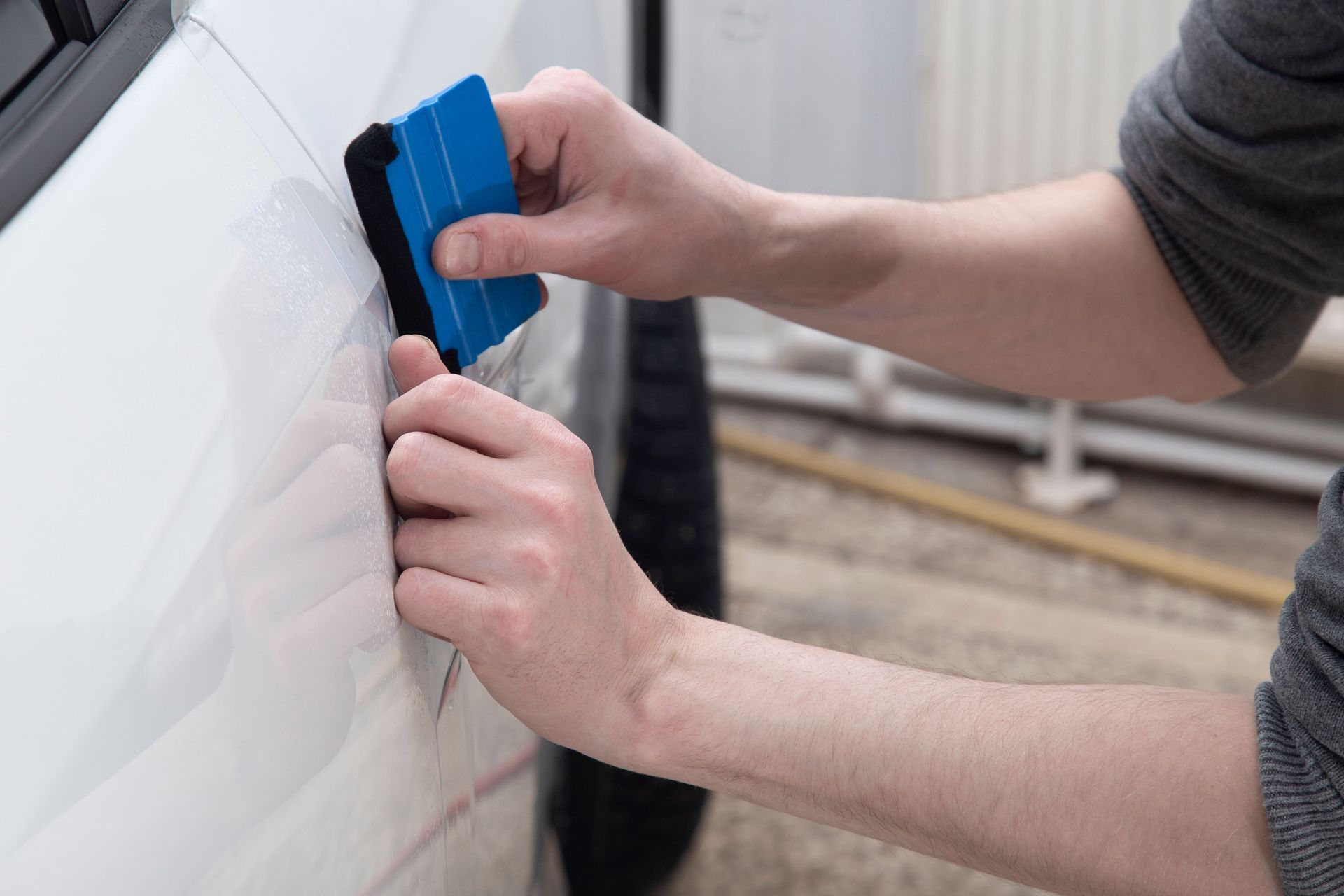
Choosing the right coverage and having the material professionally installed can make the protective layer a useful part of long-term exterior care. If you are considering paint protection film for your vehicle, seeking professional guidance can help you determine what type and level of coverage fits your driving needs. For professional guidance on paint protection film, contact OC Paint Protection to discuss options for protecting your vehicle's original finish.